The Pilbara Development Commission progressed a number of projects linked to its Strategic Priorities in the 2025/26 financial year.
Strategic Priority 1: Regional Liveability
The Pilbara is a stunning and unique region. It is home to ancient landscapes rich in Aboriginal cultural heritage, including the world’s largest collection of rock art engravings (petroglyphs).
In July 2025, the Murujaga Cultural Landscape was inscribed on the UNESCO World Heritage List and is Western Australia’s fifth World Heritage site.
The Pilbara is also characterised by incredible river systems, coral reefs and island chains, and diverse flora and fauna. With its warm climate, variety of coastal and inland towns and friendly communities, the Pilbara offers attractive options for individuals, families and retirees looking for a vibrant yet relaxed lifestyle in a regional location.
The Pilbara’s strong and growing economy means the region offers an abundance of employment opportunities and choices not readily available in other locations.
With a growing range of industries, including mining, construction, mineral processing, manufacturing, as well as arts and culture, tourism and a strong nighttime economy, the region is well suited to people looking to start or grow a business while providing a high level of liveability.
The Commission is committed to supporting and advocating for high-quality regional living, with modern services and facilities that support strong and thriving local communities. A focus on small business growth and continuous improvement in the quality of education, health, housing, and community facilities to support people of all ages and abilities in the Pilbara is critical to the ongoing attraction and retention of residents in the region.
The Commission recognises this and is well positioned to advocate for and support regional liveability through its partnerships, work and initiatives. The past year has seen the Commission support a number of initiatives that have strengthened regional liveability and supported prosperous, thriving communities in the Pilbara.
Martuku Jijiku Maya

The Martu Student Hostel in Newman, also known as Martuku Jijiku Maya, was established to give young Martu people from remote communities better access to secondary education while remaining closer to Country, family and cultural support than would be possible through Perth-based boarding options.
The hostel supports students from communities including Jigalong, Punmu, Parnngurr and Kunawarritji to attend Newman Senior High School and participate in a broader curriculum, vocational pathways and local community activities.
The hostel was initially funded through a $4 million allocation from the WA Recovery Plan in 2020. This included $1.5 million to upgrade three houses in East Newman gifted by BHP to Jamukurnu-Yapalikurnu Aboriginal Corporation (JYAC), and $2.5 million to support the management and operating costs of the pilot program.
The Indigenous Land and Sea Corporation also contributed funding for solar panels and batteries to help reduce operating costs. The hostel is owned by JYAC and operated by 54 Reasons, formerly Save the Children.
Since opening, the hostel has provided a safe, supported and culturally appropriate residential setting for a small but significant cohort of students. It can accommodate up to 11 students across two houses, with a central house used for staff accommodation, shared dining, recreation and homework spaces.
The program has supported improved school attendance, participation in programs such as Clontarf and Stars, engagement in local sport and recreation, and art opportunities through Martumili Artists. Importantly, the hostel supported the first Martu student to complete Year 12 at Newman Senior High School in 2024.
In 2025, $1.454 million was allocated to the project for the calendar year while an independent evaluation by Keogh Bay People was undertaken to inform future funding decisions.
The evaluation found the hostel was delivering clear benefits for students, including improved attendance, life skills, wellbeing and cultural engagement.
The evaluation also identified challenges, including fluctuating occupancy, high operating costs and differing views within the Martu community about students living away from Country.
The recommendations focus on improving sustainability, increasing occupancy, strengthening cultural appropriateness, deepening community engagement and refining the operating model for the longer term.
Based on the findings of the evaluation, the State Government has approved an allocation of $5.816 million in the 2026–2027 Budget to continue funding the operations of the Martu Student Hostel in Newman for four years until 2029.
This funding will continue an important locally based education pathway for young Martu people and, potentially, other Pilbara language groups in the future.
Aged care in the East Pilbara
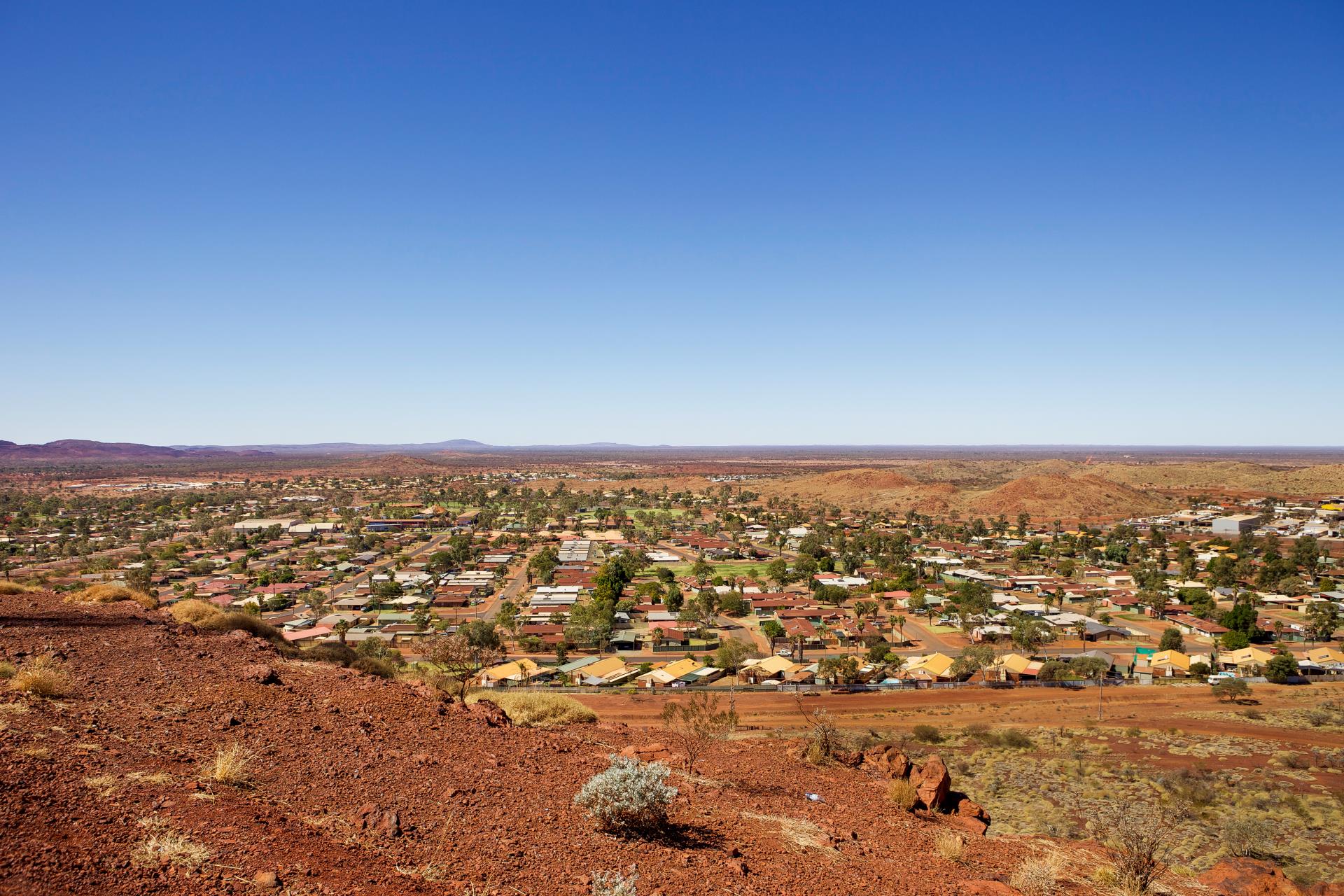
Access to aged care remains a significant liveability issue across the Pilbara, particularly for older Aboriginal people living in regional and remote communities.
The region has limited residential aged care capacity and a thin market for in-home and community-based services, with distance, workforce shortages, cultural considerations and transport barriers all affecting service delivery.
These challenges are particularly acute in the East Pilbara, where communities are dispersed across a vast area and many Elders wish to remain close to family, culture and Country while receiving the care and support they need. In 2025, the Shire of East Pilbara convened an aged care roundtable in Newman to better understand service gaps in Newman, Marble Bar, Nullagine and surrounding remote communities.
The roundtable identified the need for more detailed evidence about the scale and nature of aged care demand across the local government area, including whether people required aged care supports, NDIS-related assistance or other community services. It also highlighted the importance of culturally appropriate care models, support for unpaid carers and improved access to assessments so that older people could be connected to Commonwealth-funded aged care services.
To support this work, the Commission provided funding to Ashburton Aboriginal Corporation to coordinate community meetings and support aged care assessment visits across the East Pilbara.
Working with the Australian Government Department of Health, Disability and Ageing and assessment providers, Ashburton Aboriginal Corporation helped organise visits to communities including Newman, Marble Bar, Nullagine, Warralong, Jigalong, Punmu, Parnngurr and Kunawarritji.
The visits enabled assessors to meet with Elders, identify individual support needs, provide information about aged care packages and gather highlevel evidence to inform future planning.
The initiative has provided an important foundation for improving aged care access in the Pilbara by bringing assessment services closer to remote communities and strengthening partnerships between government, Aboriginal Community Controlled Organisations and local service providers.
The work is expected to support better identification of unmet need, inform future service models and help build the case for more flexible, culturally safe aged care delivery in thin market settings. Importantly, it reinforces the principle that older people in the Pilbara should be able to access care that supports their health, wellbeing and connection to Country.
A similar needs assessment will be undertaken across the West Pilbara in 2026–2027.
PAMS STI Community Education Program
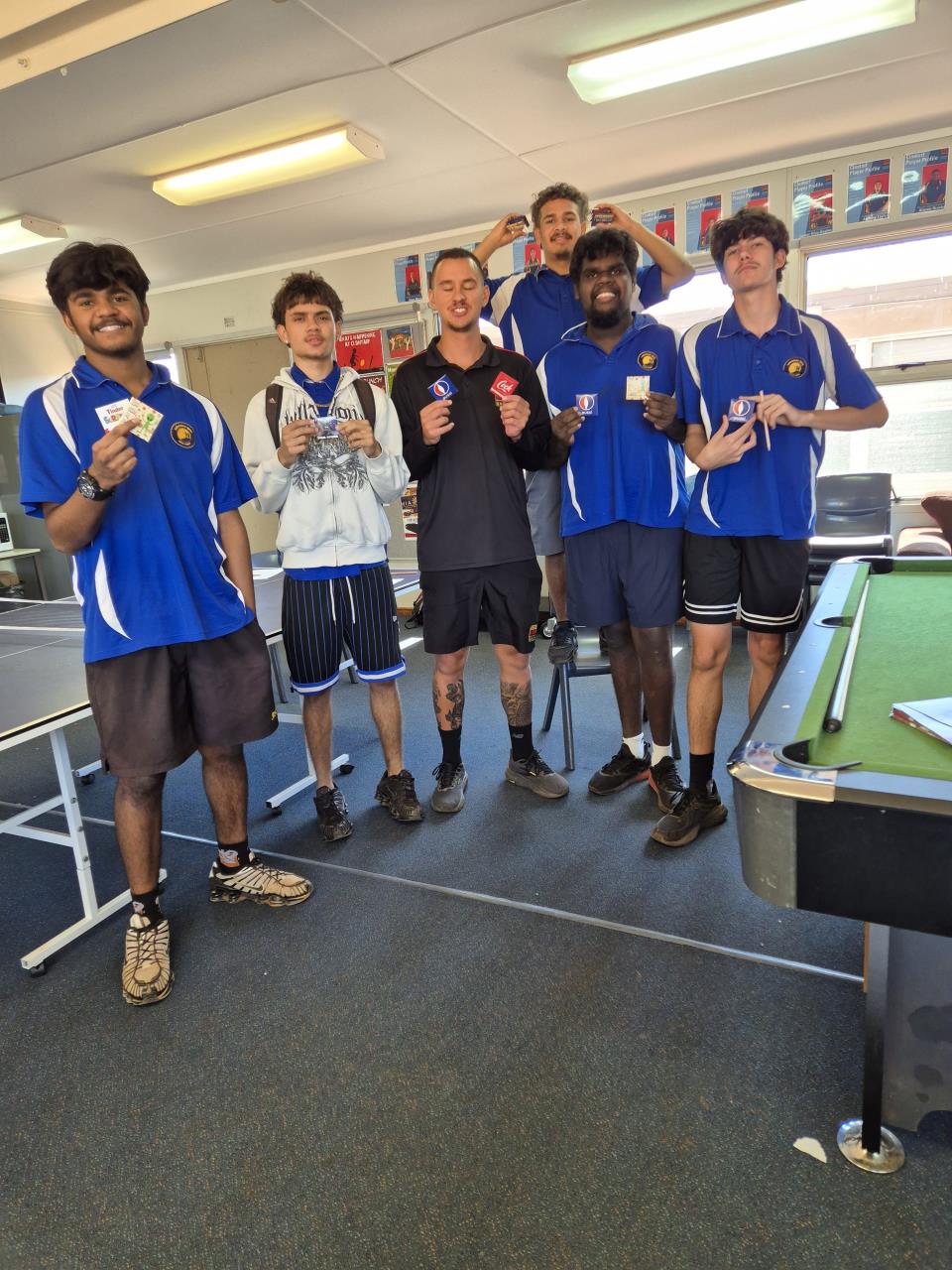
Puntukurnu Aboriginal Medical Service (PAMS) developed its sexually transmitted infection (STI) Community Education Program in response to a significant increase in STIs across remote Western Desert communities and Newman.
PAMS identified that STI prevalence in the East Pilbara and Western Desert communities accounted for a substantial proportion of reported cases across the Pilbara, with cultural shame, stigma and limited engagement with non-Aboriginal medical staff creating barriers to testing, treatment and prevention.
The program was designed to respond to these challenges through culturally safe, community-led education that respects Martu kinship systems, gender-specific knowledge sharing and local ways of communicating about sensitive health matters.
The Commission contributed $100,000 to support delivery of the Community Education Program over 12 months.
This funding supported on-Country consultations, the development of at least 10 Community Champions, and the delivery of STI awareness activities across the Western Desert and Newman. The Commission’s contribution complemented broader investment by PAMS and other funding partners, enabling the program to focus on grassroots leadership, peer-led support and locally trusted messengers rather than a top-down health campaign.
By supporting PAMS to embed health education within Martu communities, the Commission helped strengthen a preventative health response that is culturally grounded and community-owned.
The program has focused on building local capability, reducing stigma around sexual health, and encouraging earlier testing and treatment through trusted relationships.
Early reporting indicates the program is contributing to improved awareness and a reduction in STI cases across the Pilbara.
This demonstrates the value of targeted regional investment in Aboriginal-led health initiatives that address both immediate health risks and longer-term community wellbeing.
Spoilbank Marina - Pirra Pirra Park
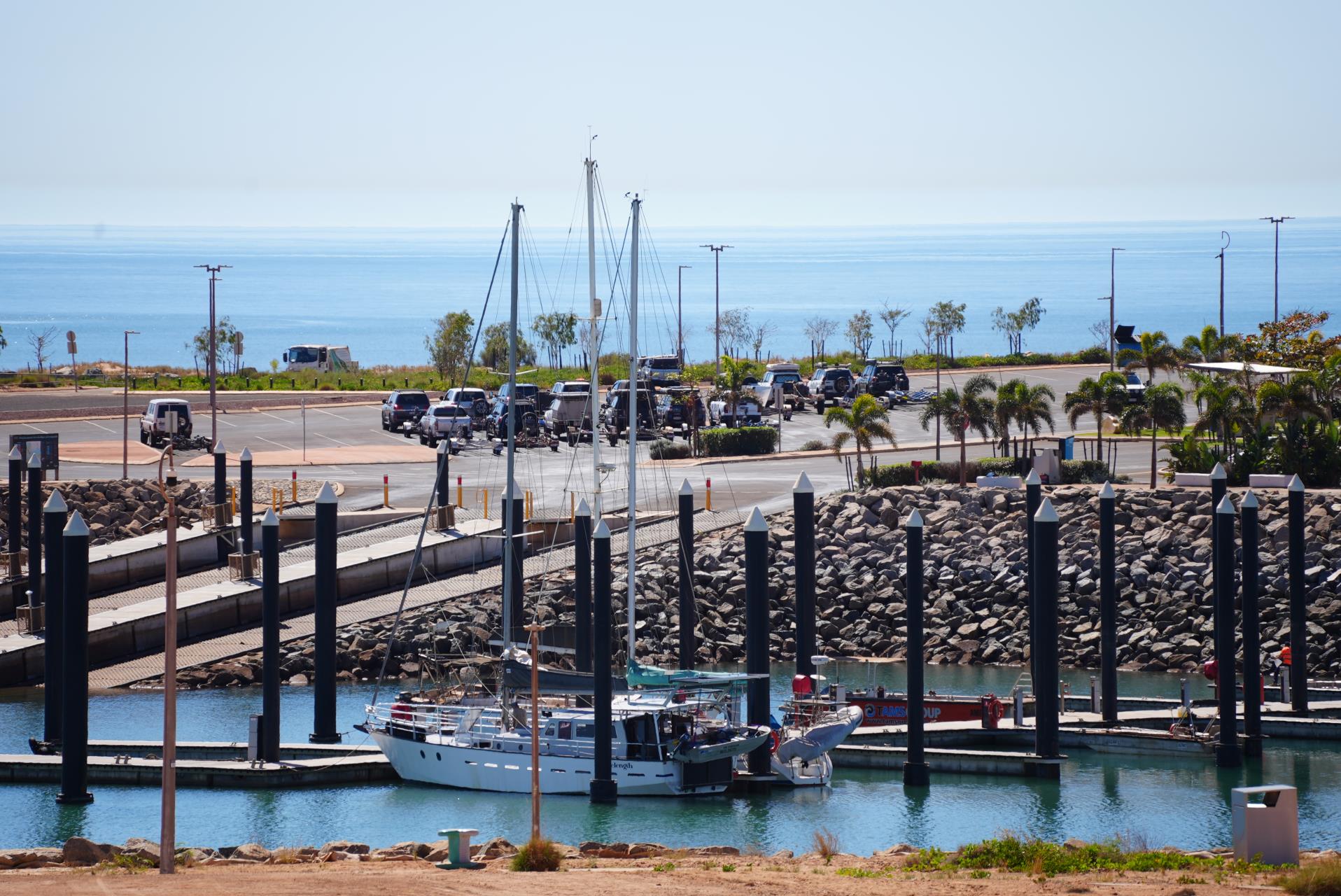
Spoilbank Marina is a landmark $180 million-plus waterfront development for Port Hedland, transforming a long-held community aspiration into a major regional asset for residents, visitors and recreational boat users.
The project has delivered safer and more accessible marine facilities, including a four-lane boat ramp, boat pens, trailer parking, breakwaters, public amenities, event space and public art, while also creating a more attractive and activated foreshore precinct for the town.
The Commission has played an important enabling role throughout the life of the project, leading the work that secured funding for the project, helping to coordinate government, community and stakeholder input and supporting the project’s progression through key planning and delivery stages.
From early community engagement and taskforce participation through to governance, public art and communications working groups, the Commission’s involvement has reflected its broader role in facilitating regional development outcomes that improve liveability, strengthen local identity and support long-term economic and social benefits for the Pilbara.
The project has also demonstrated strong collaboration across government and partner agencies, with the Commission working alongside Pilbara Ports, the Town of Port Hedland, DevelopmentWA, the Department of Transport, the Department of Treasury and other stakeholders to support delivery of a complex, multi-agency project.
This collaborative approach helped ensure the marina was not only delivered as essential marine infrastructure, but also as a placemaking project that responds to community needs, celebrates local culture and contributes to the ongoing revitalisation of Port Hedland’s West End.
Final touches across the precinct, including the completion and activation of the $4 million Pirra Pirra Park by the Town of Port Hedland, have further enhanced the marina’s role as a welcoming community destination.
With landscaped areas, shaded gathering spaces, play elements and cultural connections embedded in the design, Pirra Pirra Park adds an important family-friendly and community-focused layer to the broader marina precinct.
Together, these finishing elements help complete the vision for Spoilbank Marina as a vibrant waterfront space where people can gather, connect, celebrate and enjoy the unique coastal setting of Port Hedland.
Strategic Priority 2: Economic Development, Diversification and Innovation
Economic Development, Diversification and Innovation remains one of the highest priorities for the Commission. The Commission is working to overcome long-standing barriers to diversification in the Pilbara, while leveraging the region’s globally significant resources sector to unlock new and emerging industries.
The Pilbara economy continues to be dominated by iron ore and oil and gas, which underpin thousands of jobs both within the region and across Australia. While this strength provides a powerful foundation, it also reinforces the importance of creating the conditions for a more diverse and resilient economic base.
A central focus of the Commission’s work is the planning and activation of Strategic Industrial Areas (SIAs), which are critical to enabling new investment and industry development. SIAs provide the essential serviced land, infrastructure and regulatory certainty required for major projects in energy, advanced manufacturing, processing and logistics.
Unlocking these areas is essential to addressing a longstanding constraint in the region, namely the limited availability of investment-ready industrial land at scale. In close collaboration with State agencies, Traditional Owners and proponents, the Commission has played a very active role facilitating economic opportunities for Traditional Owners that create aligned interests with the SIAs, driving an integrated and strategic approach to water supply planning and environmental approvals and ensuring there is sufficient supply of residential and general industrial land to support this next wave of growth.
The Commission’s focus is on ensuring SIAs are aligned to emerging opportunities, particularly in clean energy, downstream processing and value-adding industries. This work is fundamental to supporting job creation, strengthening supply chains and positioning the Pilbara as a globally competitive industrial hub. By maximising the benefits of the existing resources sector while enabling new industry through strategic land development, the Commission is helping to build a more sustainable, diversified and future-ready Pilbara economy.
Establishment of the Pilbara Housing Supply Office

During the 2025/26 financial year, the State Government established the Pilbara Housing Supply Office as an innovative two-year pilot backed by a $1.3 million investment.
Launched in December 2025, the PHSO is an innovative joint initiative between the Pilbara Development Commission and the Department of Treasury and Finance, designed to proactively identify, prioritise, and coordinate housing and land development opportunities across the region.
Operating through a collaborative partnership model with staff based on the ground in both Port Hedland and Karratha, the PHSO is working with key stakeholders — including DevelopmentWA, the Department of Housing and Works, the Department of Planning, Lands and Heritage, local governments, finance providers, and industry — to streamline housing delivery.
Building on this momentum, the PHSO's initial primary focus has already successfully driven an Expression of Interest and Request for Proposal process for residential and mixed-use developments in Karratha.
This proactive approach comes as nearly $270 billion in capital expenditure on projects is committed or planned across the Pilbara by the mid-2030s.
The region’s Strategic Industrial Areas are playing a transformative role in diversifying and decarbonising Western Australia's economy through green iron processing at Boodarie, near Port Hedland, and ammonia and hydrogen production at Maitland, near Karratha.
To support this incredible growth, cumulative impact modelling, undertaken by the Commission and its local government partners, indicates that Karratha will need approximately 2000 new homes and Port Hedland will need 2100 by 2036.
While cost and availability of housing remain broader challenges, the Pilbara housing market possesses distinct characteristics, with the State Government as the sole land developer due to high development costs and an owner-occupation rate of 25% compared to 68% in Perth.
Structural factors specific to the region impacting the housing market include constrained residential land supply, particularly in Hedland and Karratha requiring government subsidies, high building costs creating a gap between build costs and market value of around $100,000 for a standard 4x2 house, limited access to competitive finance with large cash deposits required, high insurance premiums in cyclone-prone areas, and historically low dwelling construction outside the resources sector and government.
By bringing together strategic partnerships and targeted coordination, the PHSO is working to overcome these structural hurdles — prioritising Karratha and Hedland first — to ensure the Pilbara community thrives alongside its booming economic future.
City of Karratha Cumulative Impact Study
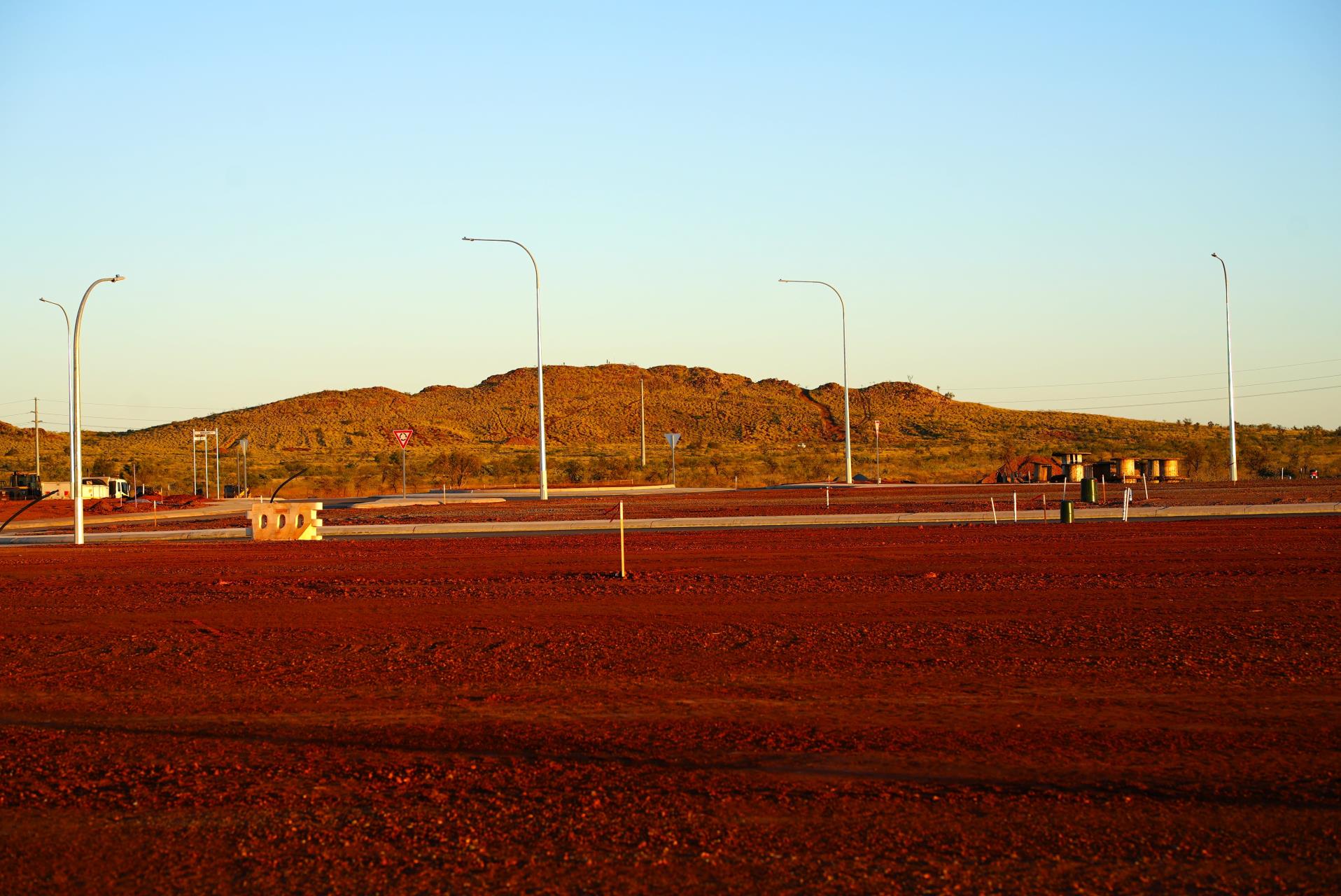
The Commission, in partnership with the City of Karratha and Regional Development Australia Pilbara, completed the City of Karratha Cumulative Impact Study to support long-term planning for projected major investment across the Karratha local government area.
The study responded to concerns that a project-by-project approach would not adequately address the scale, pace and cumulative impacts of development in the region. It established a stronger evidence base to support coordinated decision-making across government, industry and service providers.
Completed in early 2024, the study produced a baseline report, cumulative impact model, user guide and findings report to support ongoing planning and future updates.
The modelling assessed approximately 49 proposed projects, representing an estimated $34.5 billion in investment between 2023 and 2040.
It found that, if realised, these projects would drive significant population and workforce growth, with the residential population projected to reach around 30,000 by 2030 and demand for housing, infrastructure and services increasing accordingly.
The study identified housing availability and workforce accommodation as critical constraints on future growth, with the potential to affect the timing and viability of major projects.
It also highlighted increasing pressure on essential services, including education, health and childcare, associated with projected population growth.
The project was supported by strong industry collaboration, with the Chamber of Minerals and Energy of Western Australia contributing to the steering group and facilitating engagement with major proponents to inform data collection and modelling inputs.
Findings from the study were shared with State Government agencies and senior coordination forums, supporting a more integrated, whole-of-government approach to planning in the Pilbara, particularly in relation to housing supply, infrastructure coordination and strategic industrial development.
Engagement with Infrastructure WA, the Department of Planning, Lands and Heritage, the Department of Water and Environmental Regulation, and the Department of Treasury and Finance has been positive and reflects the study’s value as a strategic planning tool.
The study also informed broader policy discussions on enabling economic development while supporting Western Australia’s decarbonisation objectives. Several projects captured in the modelling relate to emerging clean energy and downstream processing opportunities, reinforcing the need for coordinated planning to support economic growth and environmental outcomes.
The City of Karratha Cumulative Impact Study provides a model for evidence-based, place-based planning and has generated interest from other regions in Western Australia. The Commission is updating the Karratha model and applying the approach in Port Hedland.
State Emergency Fuel Response
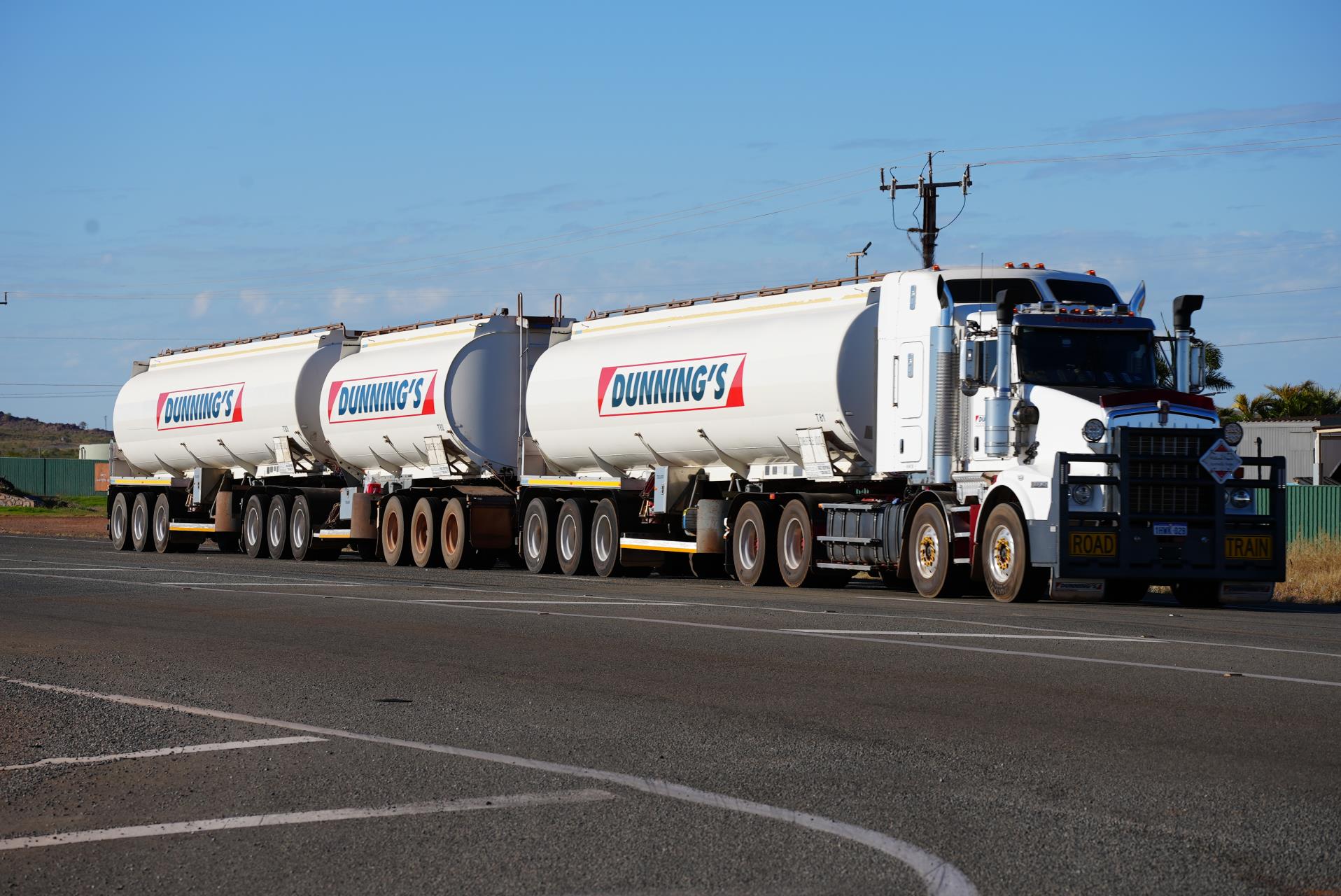
The Pilbara plays a critical role in supporting Western Australia’s economy, with major industries reliant on secure and continuous fuel supply to maintain operations. During the recent State Emergency Fuel Response, maintaining fuel continuity across the region became a priority.
Following rising global tensions, the Commission worked closely with State agencies, industry stakeholders and fuel suppliers to monitor supply levels and emerging risks.
Timely and accurate data collection was critical, and regular reporting was established to inform decision-making and support a coordinated response.
Stakeholders across the Pilbara provided on-the-ground intelligence on fuel availability and operational impacts.
This information helped guide targeted, tactical responses to address localised shortages and prioritise critical services.
Throughout the response, maintaining clear communication channels was essential. Regular updates were provided to government and industry partners, ensuring a shared understanding of supply conditions and response measures.
While the emergency response successfully mitigated immediate risks to fuel supply, it also highlighted the ongoing challenges affecting supply chain resilience in regional Western Australia.
Strengthening data visibility, coordination mechanisms and contingency planning will be key to improving preparedness for future disruptions.
Regional Economic Development Grants
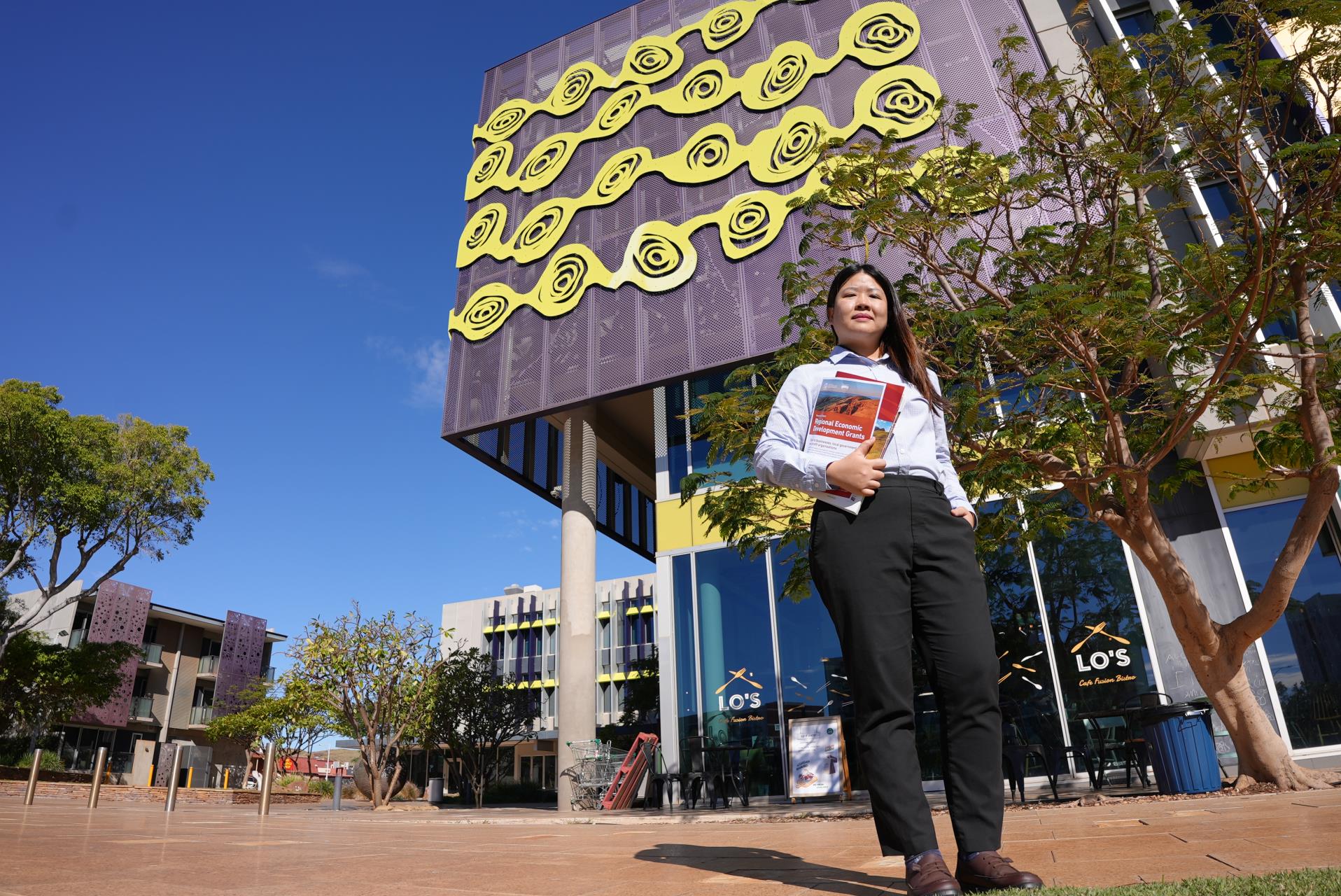
The Pilbara continues to experience strong economic activity; however, diversification remains critical to building long-term regional resilience. The Regional Economic Development (RED) Grants program plays a key role in supporting locally driven projects that create jobs, strengthen industries and attract investment across the region.
In the Pilbara, the program provides grants of up to $250,000 to support projects across sectors including manufacturing, tourism, recycling and Aboriginal enterprise. Over eight successive funding rounds since 2018–2019, the Commission has supported 54 projects with more than $6 million in funding. These initiatives are helping to expand local capability and reduce reliance on traditional economic drivers.
During the reporting period, several new projects were awarded grants. In Port Hedland, Inline Engineering Services secured funding to upgrade its manufacturing capability through an integrated processing and curing system, strengthening local supply chains and supporting specialised engineering services for the resources sector.
Investment in recycling infrastructure is supporting the development of a circular economy in the Pilbara. East-West Pilbara Rubber Recycling is addressing growing industrial waste streams while creating new economic opportunities in advanced manufacturing and resource recovery.
Tjamu Tjamu (Aboriginal Corporation) RNTBC, based in the Shire of East Pilbara, will use its funding to establish a civil contracting social enterprise in Kiwirrkurra. The initiative will support job creation and skills development in a remote Aboriginal community.
Karratha-based hospitality business Kaos Holding will use its grant to establish an upmarket café in the heart of the Karratha CBD, enhancing local amenity and bringing more activity into the town centre. Gumala Investments Pty Ltd will use its grant to expand Karijini Eco Retreat in the Shire of Ashburton.
Demand for funding through the RED Grants program remains strong, reflecting both the scale of opportunity across the Pilbara and the ongoing need to invest in industry diversification. While many supported projects are now complete or well advanced, the program continues to highlight the importance of targeted investment in building a more resilient and sustainable regional economy.
Local Content Advisor Network
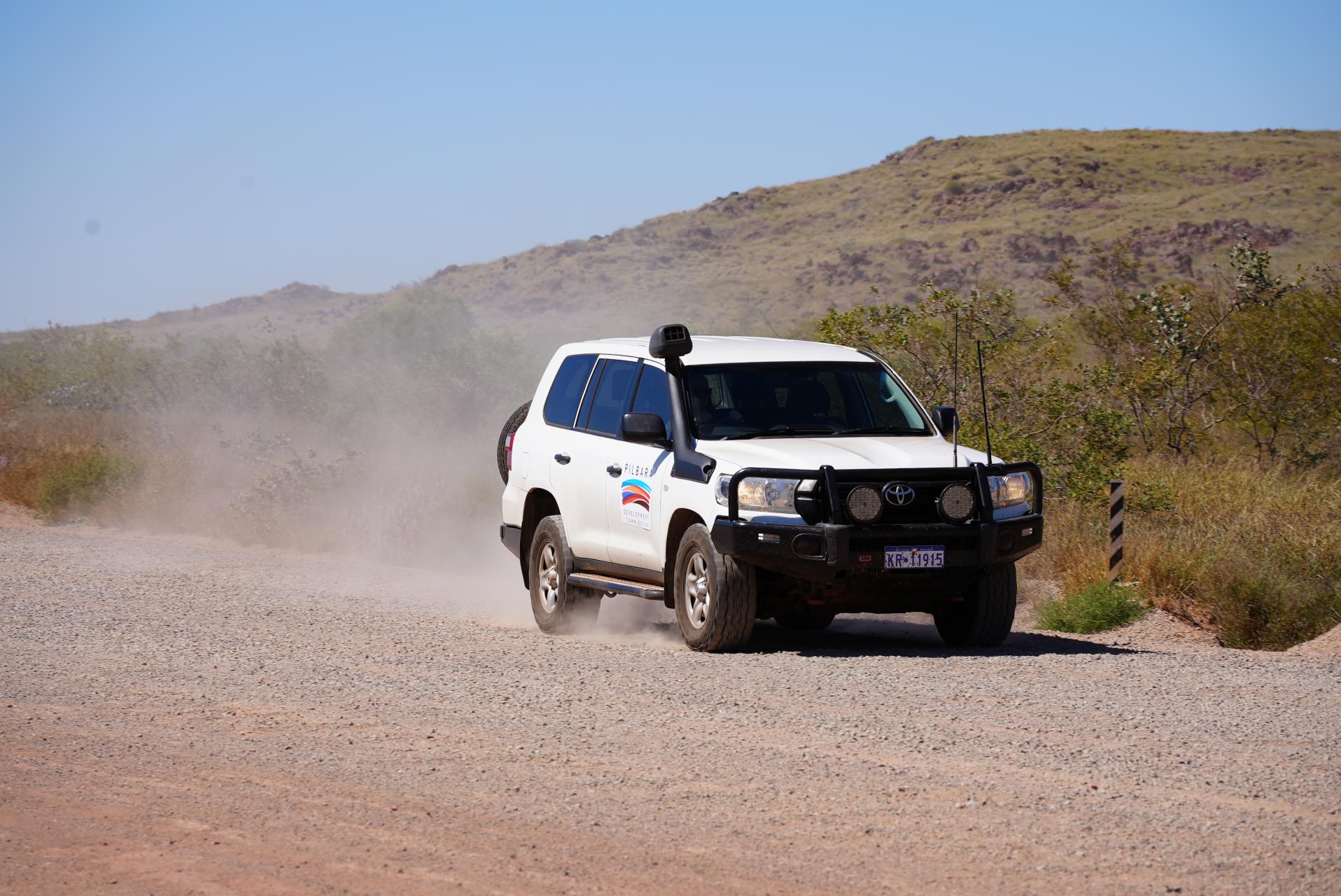
The Local Content Advisor (LCA) Network was established in 2018 to drive and support opportunities for regional businesses to supply to the State Government.
LCAs support regional businesses by connecting them with government agencies, industry bodies and small to medium enterprises. This enables regional businesses to increase participation in supply chains, grow and diversify, and build capability. LCAs also contribute to local content policy, practice and research to strengthen and diversify local economies across the State.
Through ongoing collaboration with the five Pilbara chambers of commerce and industry, the Pilbara Aboriginal Business & Industry Association Inc, and active engagement at business networking events, the Commission’s Pilbara Capability Register has continued to expand, reaching 767 businesses in 2025–2026 (up from 712 in 2024–2025).
The register serves as a comprehensive repository of local business information and capabilities, supporting government agencies and head contractors to identify and engage local suppliers. The Commission also maintains active membership of each regional chamber and the association, reinforcing its commitment to economic growth and sustainability across the Pilbara.
Throughout 2025–2026, 227 government tender opportunities were shared with registered businesses, giving them greater visibility of available procurement opportunities.
The Commission continued to support Aboriginal business participation by sponsoring six Aboriginal businesses to attend the Pilbara Summit 2026, reinforcing its commitment to strengthening local capability and creating pathways for Aboriginal enterprises.
The Local Content Advisor also contributed to industry leadership and engagement, speaking on a panel at the CORE Hub Pilbara Supplier Summit in Newman, sharing knowledge and promoting local content opportunities.
The Commission remains committed to a collaborative approach and will continue to work closely with its networks across the region to support local content outcomes and strengthen regional industry capability.
Strategic Priority 3: Aboriginal Empowerment and Prosperity
The Commission is committed to advancing its strategic priority of Aboriginal Empowerment and Prosperity through its work with communities, agencies, and partners to improve access to critical social and economic enablers for Aboriginal people.
The Commission has a strong focus on establishing strong partnerships to support Aboriginal people and communities in the Pilbara to achieve positive outcomes and to facilitate diverse and enhanced economic opportunities for Aboriginal people and organisations. The Pilbara is home to more than 30 Aboriginal language groups.
Aboriginal people represent an estimated 19% of the residential population, with the largest proportion living in the East Pilbara. As the longest living continuous culture on the planet, Aboriginal people retain their rich connection to culture and Country, with growing participation and contribution to the region’s economic development. The Commission is working to celebrate and promote the unique heritage and culture of Aboriginal people in the Pilbara.
The Commission recognises the right of Aboriginal people to participate in decision-making in matters that affect them and their families.
We are committed to maximising opportunities for Aboriginal-owned and led enterprises by delivering transformational projects in the region, alongside Traditional Owners and Aboriginal people, building the capacity and capability of Aboriginal Community Controlled Organisations and supporting improved economic and social development on Country.
The following section highlights key initiatives and achievements contributing to Aboriginal Empowerment and Prosperity during 2025/26.
Kanyirninpa Jukurrpa Martu Cultural Awareness Program
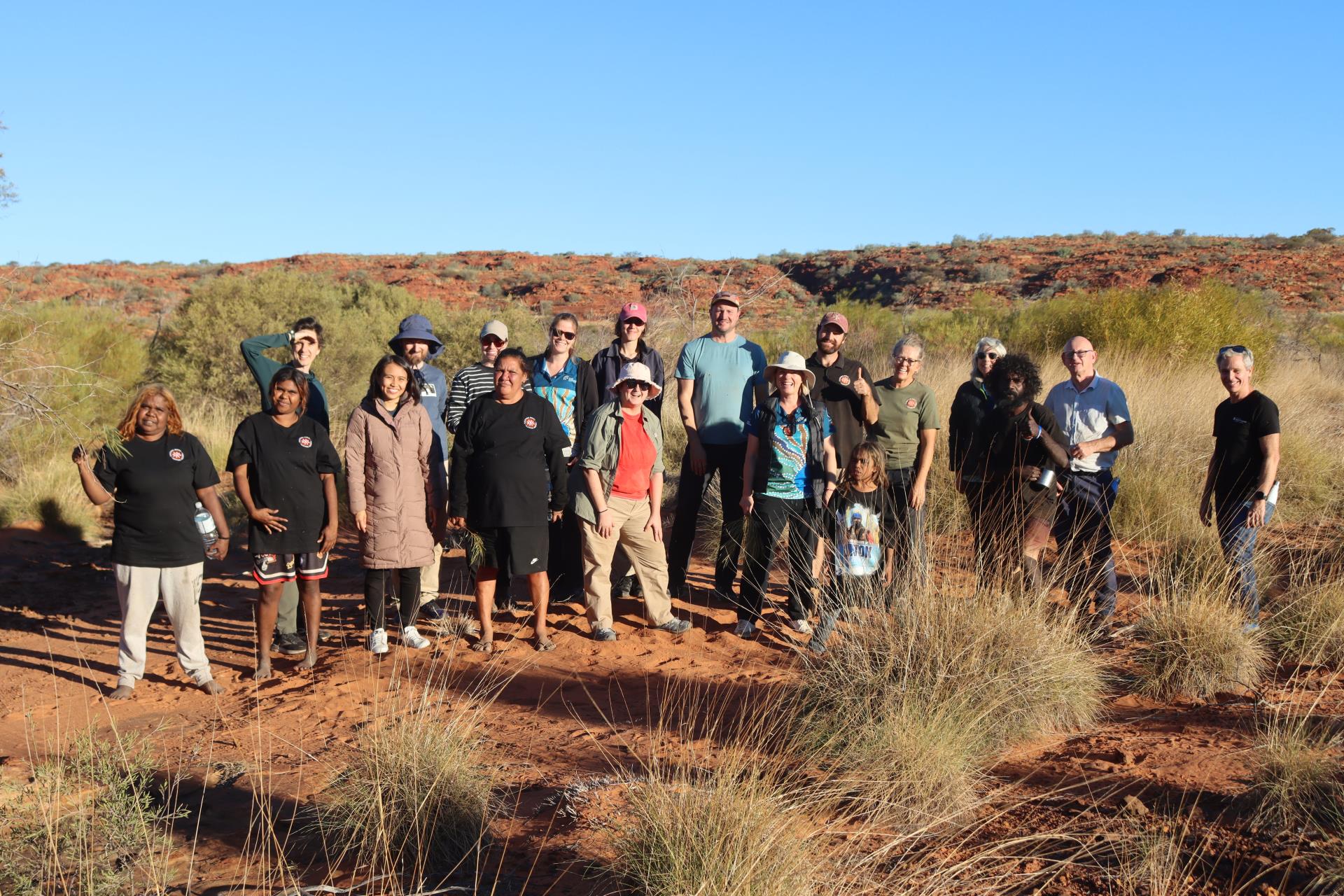
The Commission’s support for the Martu Cultural Awareness Training Program, delivered by Kanyirninpa Jukurrpa (KJ), has helped bring Martu culture, history and lived experience to more people across the region. The program is creating space for Martu voices to be heard, while also creating employment and leadership opportunities for Martu presenters. It builds on KJ’s long-running cultural awareness work and is helping shape it into a more structured and sustainable program for government, industry, schools and community organisations. With a $245,300 grant from the Commission, KJ has been able to train and support Martu presenters, develop high-quality learning materials, and create new course options that reflect Martu knowledge, language and culture. The work supports the Commission’s strategic priority of Aboriginal Empowerment and Prosperity by backing Aboriginal-led delivery, building local capability, and creating practical pathways for Martu people to share their knowledge in paid and meaningful roles. During 2025–2026, the program continued to build the confidence and presentation skills of Martu participants, with training delivered in Newman and Jigalong. New and emerging presenters took on public speaking roles, shared stories and cultural knowledge, and helped test activities and course materials to make sure the training was effective, engaging and culturally accurate. This has helped build a wider group of Martu presenters and contributors who can carry the program forward. The training has reached a growing range of participants, including local government, service providers, schools, community organisations and KJ staff. Feedback has been very positive, with many people saying the most powerful part of the training is hearing directly from Martu presenters. The program is also being shaped for different audiences, including school groups and sector-specific sessions, with on-Country experiences being developed to make the learning even more meaningful. The KJ Martu Cultural Awareness Program demonstrates the value of regional development led by community, grounded in culture and focused on lasting value. By supporting Martu knowledge holders and presenters, the Commission is helping create local jobs, strengthen relationships between Martu and nonAboriginal people and build a deeper understanding of culture across the Pilbara. The program’s progress in 2025–2026 is a positive step towards long-term benefits for Martu communities and the wider region.
Kiwirrkurra Regional Economic Development Grant

In the remote community of Kiwirrkurra, one of the most isolated communities in Australia, the Commission’s RED Grants program is helping create new opportunities for local Aboriginal people to work, train and build enterprise on Country. Tjamu Tjamu (Aboriginal Corporation) RNTBC received $250,000 to help establish a civil contracting social enterprise in Kiwirrkurra, as part of a project valued at $412,953. The funding will support the purchase of a water cart and help the community build local capability to deliver services such as civil works, road maintenance, dust suppression and site preparation across the remote East Pilbara.
For people living and working in Kiwirrkurra, distance is part of everyday life. When civil support services need to be brought in from hundreds of kilometres away, projects can face higher costs, long delays and limited flexibility when urgent work is required. By placing equipment in the community, this project will make it easier to respond locally and reduce the need to rely on external contractors. It will also support exploration and infrastructure activities, while giving Kiwirrkurra organisations a stronger role in delivering work in their own region.
Importantly, the project focuses on local employment and skills development. The water cart will provide local residents with hands-on experience in operating water carts and heavy vehicles, supporting civil works, and meeting workplace safety and compliance requirements in remote operating environments. These are practical, transferable skills that can open doors to work in infrastructure, land management, mining services and community-based roles. By connecting training with real jobs, the project is helping local people build confidence, strengthen their skills and see a future in work connected to their community and Country.
The project is also grounded in strong local partnerships. Tjamu Tjamu is working with Pintupi Waarrkarrinyi Tjungu Limited and Kiwirrkurra Council Aboriginal Corporation to develop a community-led enterprise model that responds to local demand and keeps more of the economic benefit within the community. With regional support behind it, the project shows the wider value of investing in local civil capability, from safer and more reliable access roads to lower mobilisation costs and better service outcomes for community, industry and government in the far east of the Pilbara.
For the Commission, the grant is a meaningful example of how targeted regional investment can support local ambition in remote communities. By backing a practical asset that enables training, employment and enterprise development, the Commission is helping local people take a greater role in work happening on their Country. The project reflects the power of place-based investment, strong partnerships and community leadership to create lasting benefits where they matter most.
Northern Native Seed Industry Development Initiative
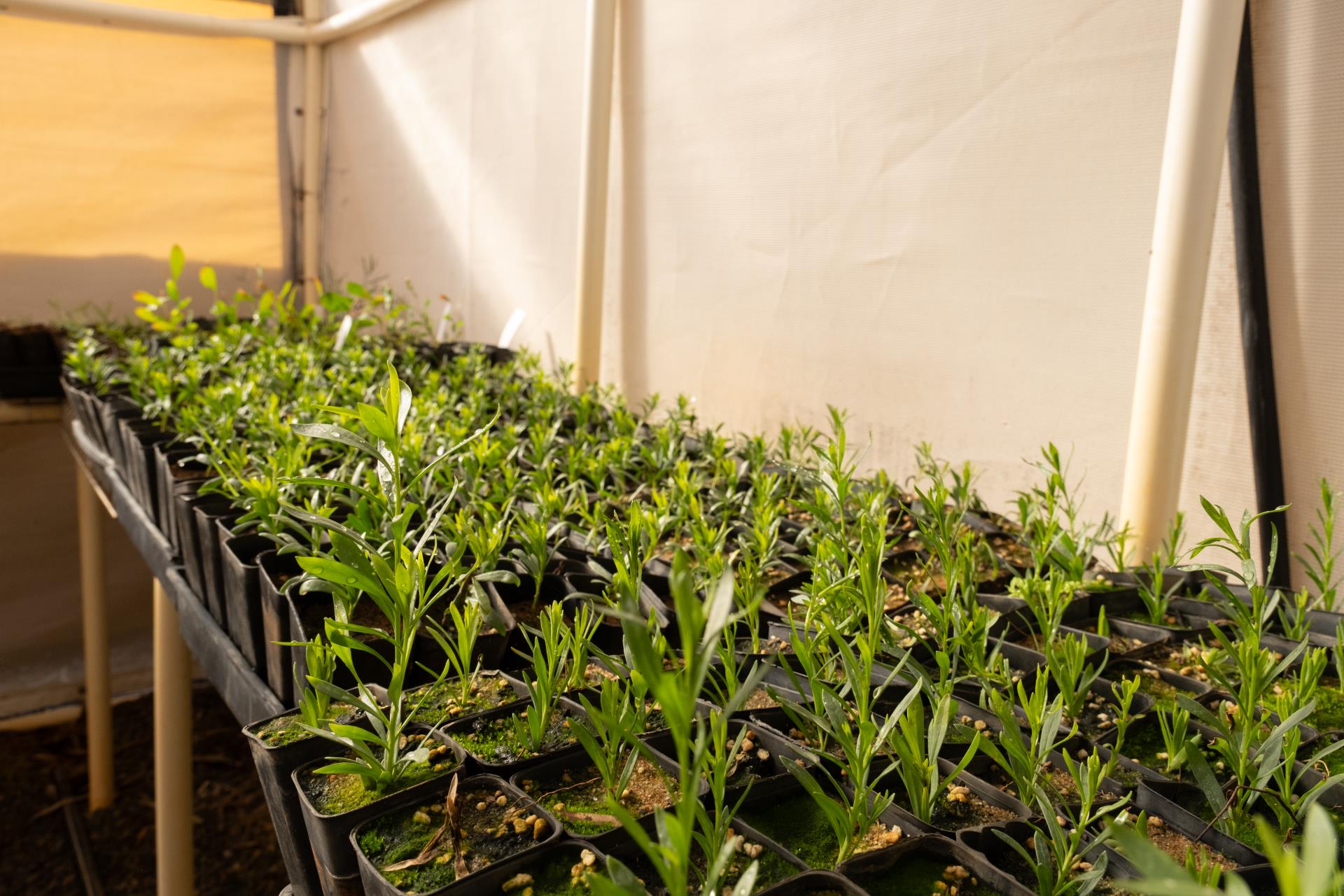
The Northern Native Seed Industry Development Initiative (NNSIDI) is a key program supporting the development of an Aboriginal-led native seed supply chain across the Pilbara, Kimberley and Goldfields-Esperance regions.
The initiative aims to build long-term industry capability while supporting Aboriginal-owned enterprises to participate in the growing restoration economy.
During 2025–2026, the program progressed from establishment into active delivery, with a strong focus on implementation, capability building and on-the-ground outcomes.
All funding agreements with the six Aboriginal-led projects are now being actively managed, supporting the development of trial Seed Production Areas (SPAs) across the three regions.
Significant progress has been made across individual project sites. Some proponents have progressed to or beyond the construction phase of their SPAs, while others have continued planning, design and site establishment activities.
Early operational outcomes are also emerging, including initial seed harvesting and the establishment of species under cultivation, demonstrating the potential for scalable native seed production systems. One pilot site has also had two species X-ray tested for pure live seed viability through the NNSIDI’s partnership with Curtin University’s Native Seed Technology and Innovation Hub.
Throughout the year, the Commission has worked closely with grant recipients through regular engagement, site visits and ongoing project support.
This has included collaboration with training providers to develop a culturally appropriate training framework, ensuring participants are supported to build the skills required to establish and operate SPAs.
At the program level, governance and coordination have been strengthened, with the NNSIDI Steering Committee fully established and continuing to guide strategic direction.
Regular coordination between participating development commissions has supported a consistent approach to program delivery and stakeholder engagement.
The Commission has also progressed work to position the initiative for long-term success, including advancing a commercialisation framework to better connect producers with industry demand and future market opportunities.
Further Commission-led engagement with resource sector stakeholders as potential future customers of seed produced at NNSIDI pilot sites is supporting positive business-to-business relationships.
While progress has been strong, the year has also highlighted a number of challenges associated with delivering projects in remote locations, including land access, infrastructure requirements, increased material costs and varying levels of organisational capacity. Addressing these issues remains a focus to ensure successful project outcomes.
As the program matures, early results show NNSIDI can provide critical learnings in the development of a sustainable native seed industry led by Aboriginal people, creating economic opportunities and supporting large-scale land rehabilitation across regional Western Australia.
Pilbara Safe Spaces Program
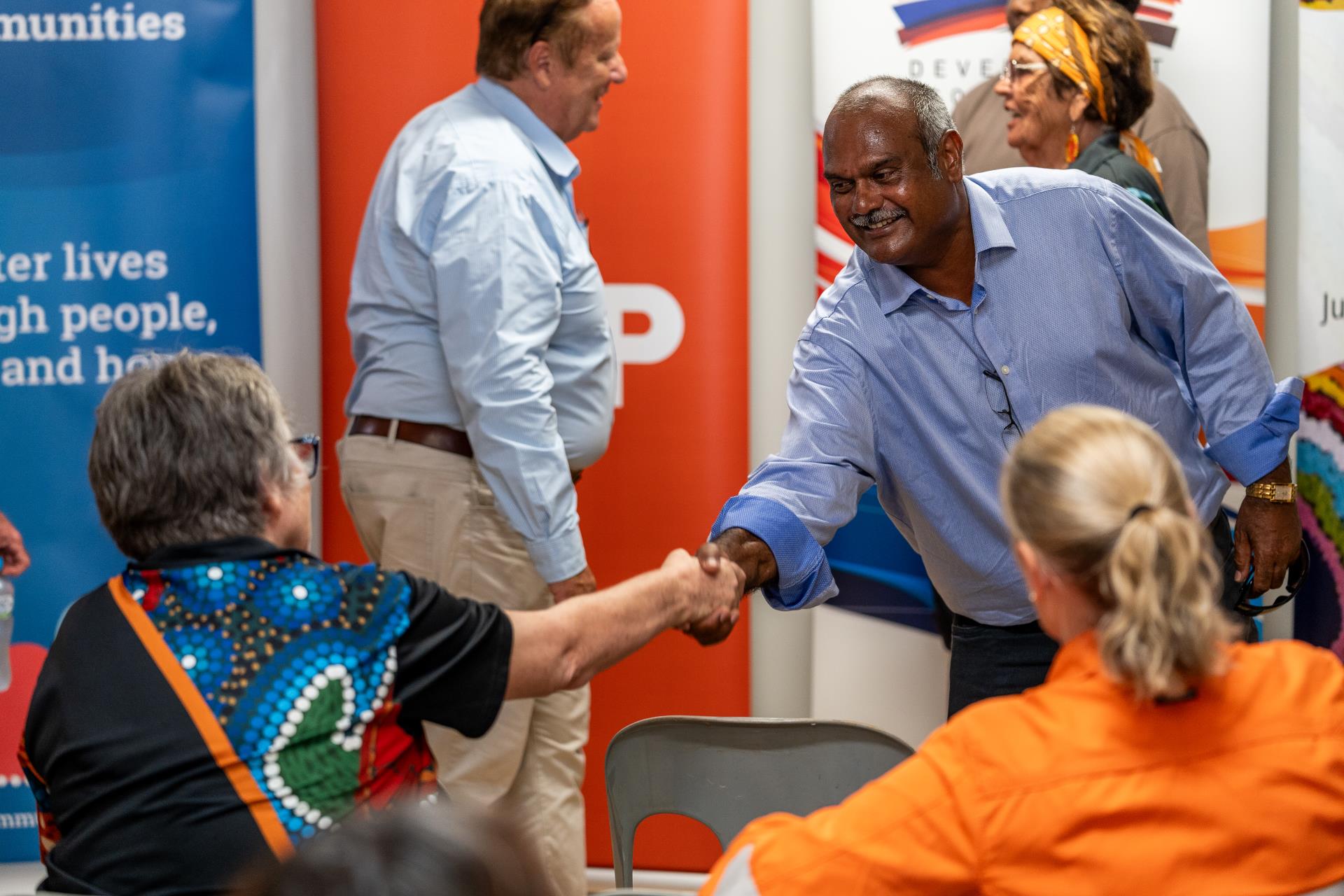
Through the Pilbara Safe Spaces program, the Commission has helped translate community advocacy into practical, place-based support for children and young people in Port Hedland and Newman.
The initiative responds to a clear need for culturally safe, after-hours early intervention for young people who are street-present at night and at risk of harm, while strengthening local pathways to family, community and support services.
The Commission’s impact has been its convening role: bringing together Aboriginal Community Controlled Organisations, local Elders, community leaders, the Department of Communities, WA Police and industry partners to co-design service models that reflect local circumstances.
In Port Hedland, the program is delivered by Julyardi Aboriginal Corporation, while in Newman, it is delivered by Kanyirninpa Jukurrpa in partnership with Newman Women’s Shelter, with Puntukurnu Aboriginal Medical Service delivering the Newman Indigenous Healing Service.
During the year, the Commission supported the transition from planning and procurement into implementation, including refurbishment grants for Safe Spaces facilities in both locations and ongoing coordination through the Program Control Group. Outreach services commenced in 2025.
Port Hedland progressed to full service delivery from its South Hedland premises, while Newman commenced outreach as work continued on final facility approvals and fit-out requirements.
The program demonstrates Aboriginal empowerment in practice by investing in Aboriginal-led delivery, local decision-making and culturally responsive support for vulnerable young people and their families.
With major funding support from BHP and Fortescue through the Resources Community Investment Initiative and State Government investment in Indigenous Healing Services and program support, the initiative is building a stronger, more coordinated service network that helps children and young people stay safe, connected and able to thrive.
Strategic Priority 4: Climate Resilience and Low-Carbon Transition
Aligned with the Australian Government’s commitment to achieving net zero by 2050, climate resilience and the low-carbon transition remain a key strategic priority for the Commission.
The Pilbara continues to play a central role in this transition, with significant investment and global interest in renewable energy, decarbonised industry and new export opportunities.
As one of the world’s leading energy and resource regions, the Pilbara is uniquely positioned to support both Australia’s and international low-carbon goals. This shift presents a generational opportunity to diversify the regional economy, attract major investment and create new jobs and industries across the Pilbara.
The Commission’s focus is on enabling this transition in a way that delivers lasting benefits for regional communities.
This includes supporting the development of strategic industrial land, facilitating major project investment, and working with government, industry and Traditional Owners to address key barriers to delivery. At the same time, building climate resilience remains critical. Strengthening infrastructure, supply chains and regional capability ensures the Pilbara is better prepared to respond to climate impacts while maintaining its role as a globally significant economic region.
The following section outlines key achievements during 2025–2026 in advancing climate resilience and supporting the Pilbara’s transition to a low-carbon economy.
Kimberley and Pilbara Regional Drought Resilience Plan
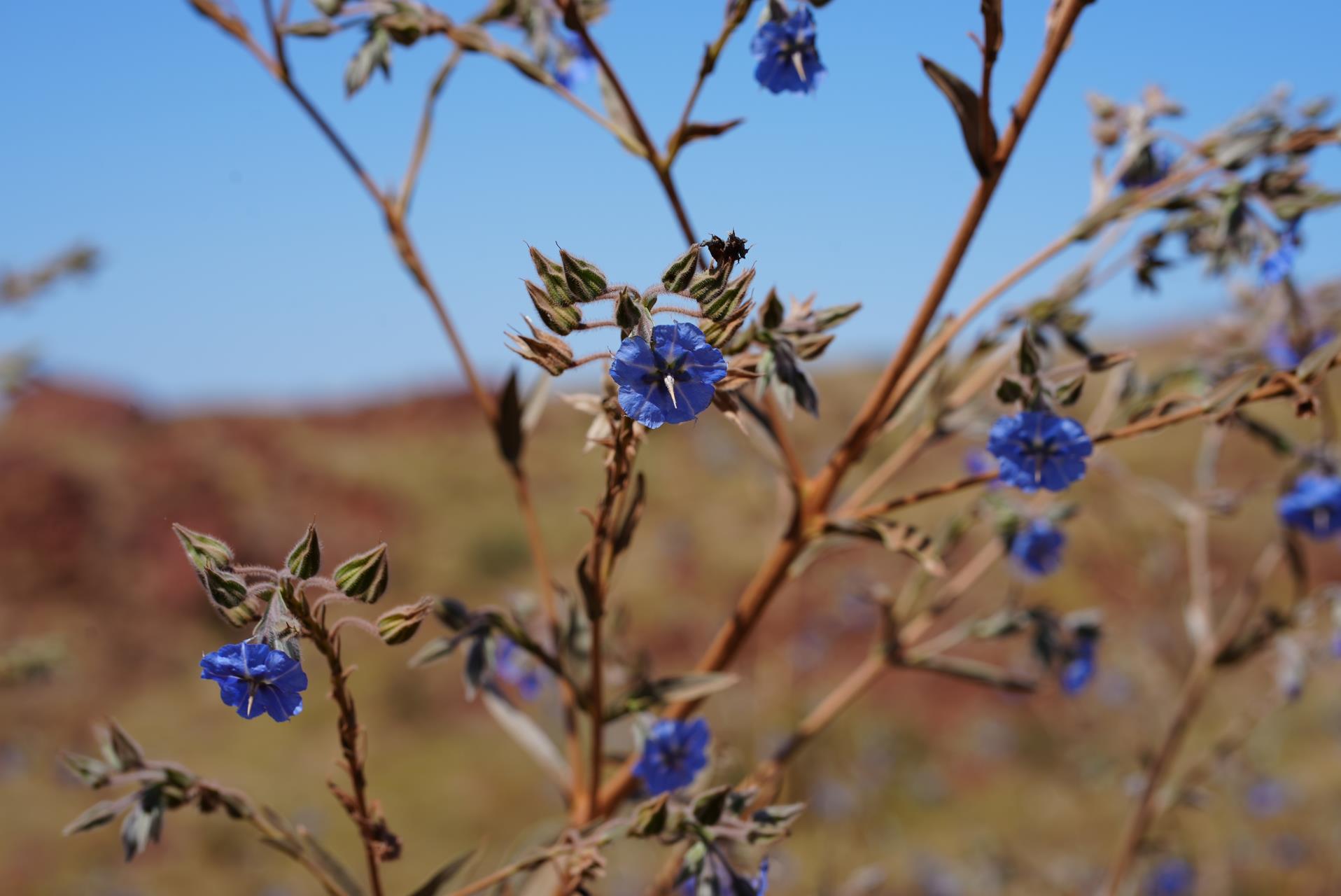
The Western Australian Regional Drought Resilience Planning program is jointly funded through the Australian Government’s Future Drought Fund and the Department of Primary Industries and Regional Development.
The Kimberley and Pilbara Regional Drought Resilience Plan (RDRP) is led by the Commission in collaboration with the Kimberley Development Commission.
In the Kimberley and Pilbara, which together span a total area of 930,000 km² across the north-west of Western Australia, drought is characterised by extreme heat, unpredictable wet seasons and water scarcity.
Climate projections indicate that the Kimberley and Pilbara will experience more frequent hot droughts, increasing risks to infrastructure, communities, and local economies, especially for remote and Aboriginal communities.
The Kimberley and Pilbara RDRP was co-designed with local communities, industries, all levels of government, not-for-profits and the private sector to inform and guide drought preparedness and resilience.
The vision is for the Kimberley and Pilbara to be more resilient to drought while sustaining and enhancing their rich cultures, unique landscapes and thriving economies for future generations.
The following strategic actions, organised under five focus areas, support this vision and are used to prioritise projects for inclusion in the Kimberley and Pilbara RDRP Implementation Plan.
- Resilient water systems: supporting water security through cultural knowledge sharing, groundwater monitoring and improved infrastructure.
- Resilient communities: enhancing liveability and adaptive capacity through better access to services, housing, economic diversification and community engagement.
- Resilient agriculture: supporting sustainable grazing, stewardship programs, and business planning for pastoralists and Aboriginal land managers.
- Resilient landscapes: integrating traditional fire and land management practices alongside regenerative approaches to restore ecosystems and reduce drought impacts.
- Resilient economy: encouraging economic diversification, innovation, and investment in industries such as agritourism, conservation, and small business development.
Three projects have been approved for funding under Phase 1 of the Implementation Plan to help prepare the regions for the impacts of drought:
- Jamukurnu Yapalikurnu Aboriginal Corporation (JYAC) – Martu Community Ground Water Monitoring Program. The project will test groundwater quality across Martu communities and key sites in the Central Desert (Pilbara), including along the Canning Stock Route. The project will generate data to identify any contamination risks, support safe drinking water and inform future infrastructure planning.
- Karlka Nyiyaparli Aboriginal Corporation (KNAC) – Looking after Yurlu. The project will enable Nyiyaparli Rangers to undertake fire, weed and vegetation management across Fortescue Marsh, an area of high environmental and cultural value. The project includes prescribed burns to reduce wildfire risk, targeted weed control to improve biodiversity, and vegetation surveys to inform rehabilitation of degraded areas and support long-term land management.
- Rangelands NRM – Enhanced Monitoring Skills in Grazing Systems. The project will deliver training and mentoring for pastoralists in the Ashburton region to strengthen skills in landscape monitoring, grazing management and drought resilience. The project will build knowledge and skills to support better land management, inform decision-making and enable a broader regional rollout.
These Phase 1 implementation projects are anticipated to be completed by June 2027.
The Australian Government has committed $67 million over four years (from July 2025) for Phase 2 of the RDRP program, to be delivered in partnership with states and territories.
Pilbara Energy Transition
The Pilbara Energy Transition represents a coordinated, whole-of-government effort to decarbonise one of the world’s most emissions-intensive regions while unlocking significant new economic opportunities.
While the Commission is not the lead delivery agency for the energy transition, it plays a critical enabling role in supporting its implementation across the region.
The Commission works closely with State agencies, including PoweringWA and the Department of Energy and Economic Diversification, as well as industry and regional stakeholders, to ensure that the transition is informed by local context and delivers meaningful regional outcomes.
Throughout 2025–2026, the Commission contributed to a wide range of energy transition initiatives through active participation in governance and coordination mechanisms.
This included engagement in interagency working groups, project control groups and regional coordination forums supporting major initiatives such as the Pilbara Hydrogen Hub and associated infrastructure planning.
A key component of the Commission’s role is regional coordination and stakeholder engagement. This includes facilitating and participating in energy roundtables, industry briefings and cross-sector discussions to ensure that regional priorities, opportunities and constraints are clearly understood by decision-makers.
The Commission also provides on-the-ground insight to inform policy development and project delivery, drawing on its deep understanding of local conditions, infrastructure constraints, land availability and workforce dynamics.
This local knowledge is critical to shaping realistic and achievable pathways for large-scale energy and decarbonisation projects in the Pilbara.
In addition, the Commission supports initiatives that strengthen community and Traditional Owner participation in the energy transition.
This includes providing administrative support to the Pilbara Energy Transition Aboriginal Working Group (PETAWG), where the Commission plays an important role in enabling the group to direct funding and advance community benefit approaches, while the group remains independent in program decision-making.
During 2025–2026, the Commission also led a key project development phase for the Pilbara-based Clean Energy Training and Research Institute (CETRI). This included managing the concept design process, supporting broad stakeholder engagement across industry, government, education, research and Aboriginal organisations, and refining the delivery model to respond to contemporary market conditions. The concept design proposed a federated model, bringing together multiple components within a coordinated framework.
With the planning work complete, responsibility for CETRI has now transferred to the Department of Training and Workforce Development (DTWD), which is leading its implementation under the Clean Energy Skills National Centre of Excellence.
More broadly, the Commission continues to align its work program to support the energy transition, including facilitating the development of strategic industrial land, supporting workforce development initiatives, and promoting local content opportunities to ensure regional businesses and communities benefit from emerging investment.
Through this coordinated and enabling role, the Commission is helping to ensure the Pilbara Energy Transition is delivered at scale and supports long-term economic diversification, community benefit and regional resilience.
Industrial water activation

The availability of reliable, fit-for-purpose water is a critical enabler of industrial development in the Pilbara and a key requirement for unlocking new investment across Strategic Industrial Areas and emerging low-carbon industries.
The Commission plays an important coordination and facilitation role in progressing industrial water activation across the region, working closely with State agencies, industry proponents and regional stakeholders to address one of the most complex constraints to economic growth.
Throughout 2025–2026, the Commission supported a range of initiatives aimed at improving understanding, planning and delivery of industrial water solutions. This included working across government to align water planning with broader industrial land activation and infrastructure coordination efforts, ensuring that water availability is considered early in project and precinct development.
A key focus was facilitating engagement between water providers, project proponents and government agencies to support more coordinated and efficient outcomes. This included contributing regional insight into demand scenarios, infrastructure requirements and sequencing of development to inform decision-making at a state level.
The Commission also played a role in identifying and progressing opportunities to optimise existing water sources and investigate new supply options to support future industrial growth. This included supporting discussions on alternative water sources, water reuse and shared infrastructure approaches to improve efficiency and reduce costs for proponents.
Leveraging its strong regional presence, the Commission provides critical local knowledge of land availability, infrastructure constraints, environmental considerations and community impacts, ensuring that water planning is grounded in the realities of the Pilbara operating environment.
More broadly, the Commission continues to advocate for integrated, long-term solutions that align water infrastructure investment with strategic industrial priorities, including decarbonisation, downstream processing and large-scale energy projects.
Through this facilitation and coordination role, the Commission is helping to address a key barrier to investment and ensure the Pilbara is well positioned to support future industrial growth and economic diversification.
Pilbara Cultural Land Management Project
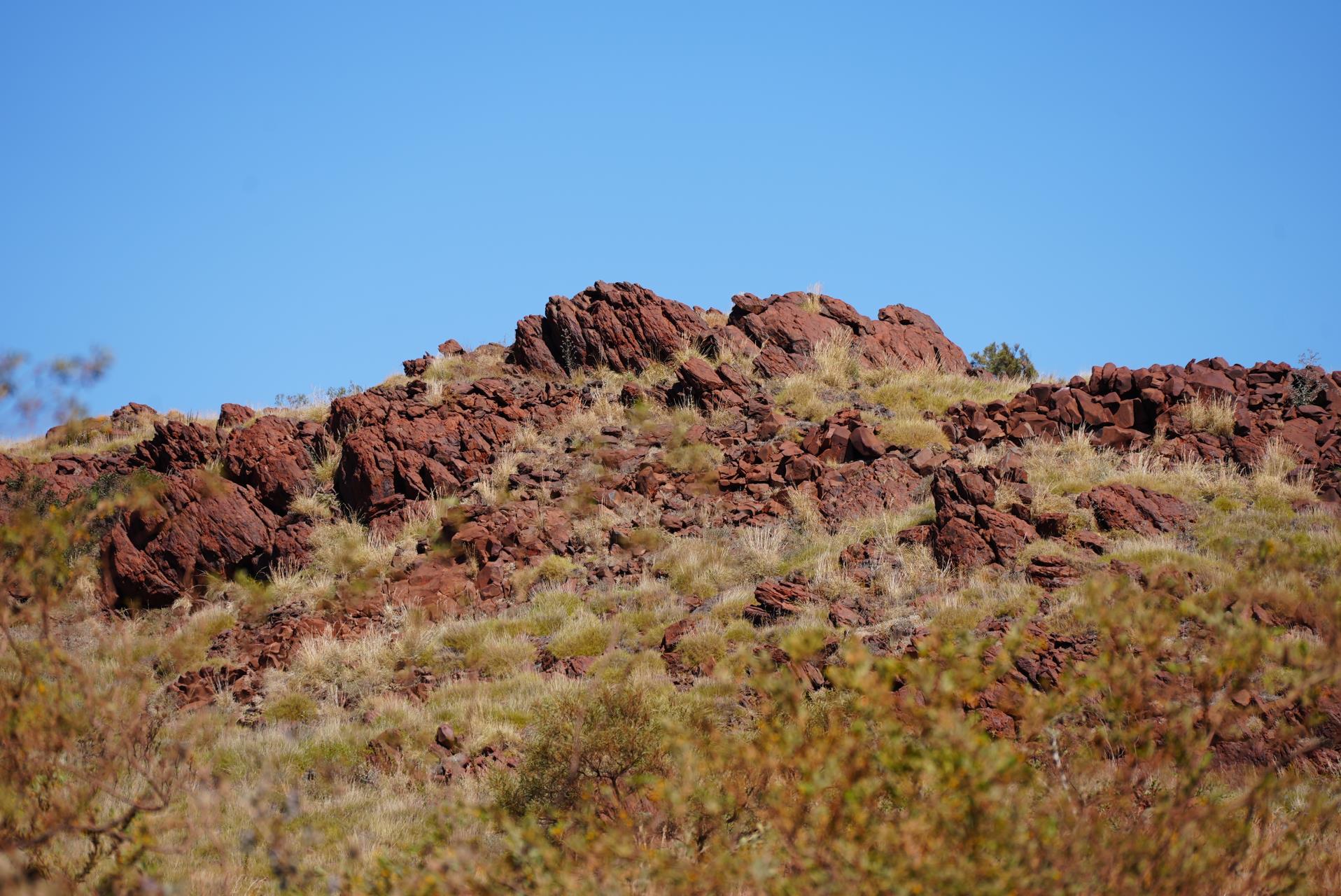
The Pilbara Cultural Land Management Project has been one of the Commission’s most significant long-term investments in Aboriginal-led regional development.
It has supported Traditional Owner groups to build a stronger, more connected cultural land management sector across the Pilbara.
Developed in response to the Pilbara Creative and Cultural Strategy, the project brought together Aboriginal corporations across the Pilbara, ranger groups, government, industry and philanthropic partners around a shared vision of supporting Traditional Owners to care for Country at scale, while strengthening cultural, environmental and economic outcomes for their communities.
Looking back, the Commission’s role was catalytic. By investing in the early design and implementation of the project, the Commission helped create the conditions for Traditional Owner groups to come together, share knowledge, identify common priorities and engage more effectively with external partners.
This collective approach has strengthened relationships between ranger groups and Aboriginal corporations, supported greater coordination across a vast and complex region, and provided a stronger platform for Traditional Owners to influence policy, partnerships and investment in land and water management.
The project also led to the development of the Pilbara Ranger Network, bringing together around 12 Aboriginal groups to support training, capacity-building, specialist advice and the delivery of co-designed projects.
These activities have helped grow ranger program capability, improve access to tools and knowledge, and open pathways for Traditional Owner-led partnerships in areas such as conservation, water monitoring, land access, digital mapping, enterprise development and the protection of Indigenous Cultural and Intellectual Property. Importantly, the project has demonstrated that strong cultural leadership and contemporary land management practices can work together to deliver outcomes that are locally grounded and regionally significant.
The impact of the project is evident in the emergence of a stronger Aboriginal cultural land management sector in the Pilbara and in the confidence, relationships and partnerships that now support its continued growth.
With the project evolving into the Pilbara Ranger Network under a 2024–2026 Strategic Plan, the Commission’s early leadership has helped position Traditional Owner-led land management as a lasting regional strength.
It is a clear example of how the Commission can use its role as a facilitator, connector and advocate to support Aboriginal empowerment, climate resilience and sustainable regional development.
Strategic Priority 5: Organisational Excellence
Organisational Excellence remains a core priority for the Commission, underpinning how we operate as a modern, high-performing regional development organisation. It encompasses our approach to governance, capability building, stakeholder engagement and the systems and processes that support effective delivery.
Over the past year, the Commission has continued to strengthen its organisational foundations, with a focus on building a skilled and adaptable workforce, embedding robust governance practices, and enhancing the way we work with partners across government, industry and the community
At the same time, the organisation has embraced opportunities to improve efficiency and effectiveness through innovation, including the adoption of new tools, systems and ways of working that support better decision-making and service delivery.
This section highlights the key initiatives and activities delivered during 2025–2026 to support Organisational Excellence and ensure the Commission is well positioned to meet current demands and future challenges.
Digital capability and governance
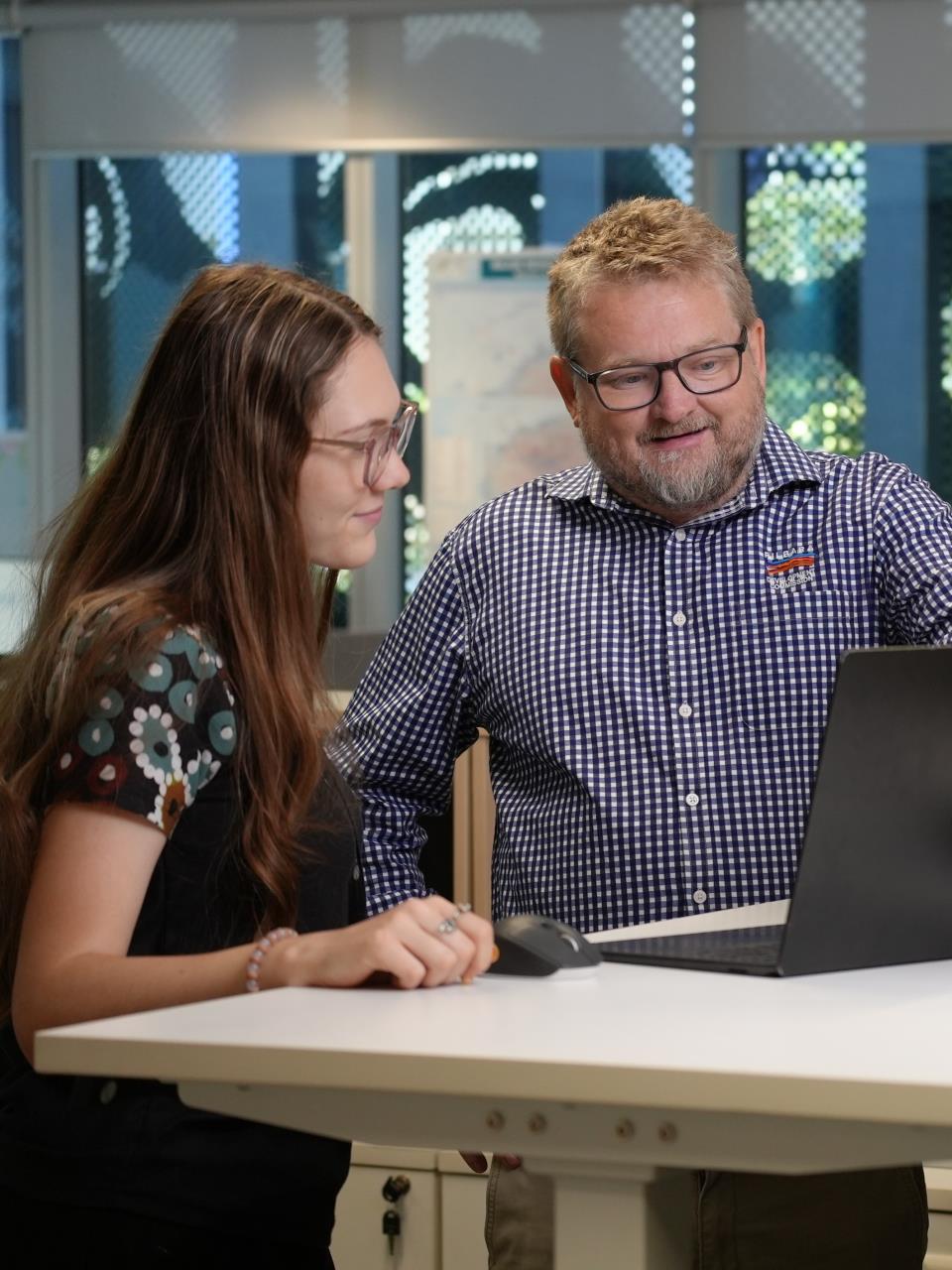
Over the past year, the Commission has continued to strengthen its organisational foundations, focusing on building a skilled and adaptable workforce, embedding robust governance practices, and enhancing the systems and processes that support effective delivery.
As a modern regional development organisation, maintaining a secure, resilient, and contemporary IT environment remains vital to our operations.
Cybersecurity
The Commission has maintained a proactive stance on cybersecurity and infrastructure protection. Over the reporting period, enhanced security measures were deployed across corporate devices, ensuring secure remote access for staff operating across vast distances in Karratha, Port Hedland, and across the Pilbara.
These measures safeguard sensitive communications and ensure alignment with evolving public sector cyber standards.
Monitoring the PRIS Act implementation
The Commission has also actively monitored and prepared for the implementation of the Privacy and Responsible Information Sharing Act 2024. By tracking these critical legislative changes regarding data protection, privacy principles, and information sharing, the Commission continues to refine its internal practices to ensure compliance, high standards of transparency, and the secure handling of community and stakeholder information.
Responsible innovation
The Commission progressed the introduction of Microsoft Copilot across its digital ecosystem, positioning the organisation to leverage emerging technologies to enhance productivity, decision-making, and service delivery. The rollout was deliberately implemented under a strong governance framework aligned with whole-of-government digital policies, ensuring appropriate controls, security, and oversight are maintained. Staff have been supported to adopt AI tools responsibly and transparently. This innovation is successfully balanced with strong risk management and accountability, streamlining routine tasks such as drafting and summarizing information to free up time for high-value strategic work.
Through this multi-faceted approach to digital capability, advanced security, and robust governance, the Commission ensures it remains well-positioned to meet current demands and future challenges.